
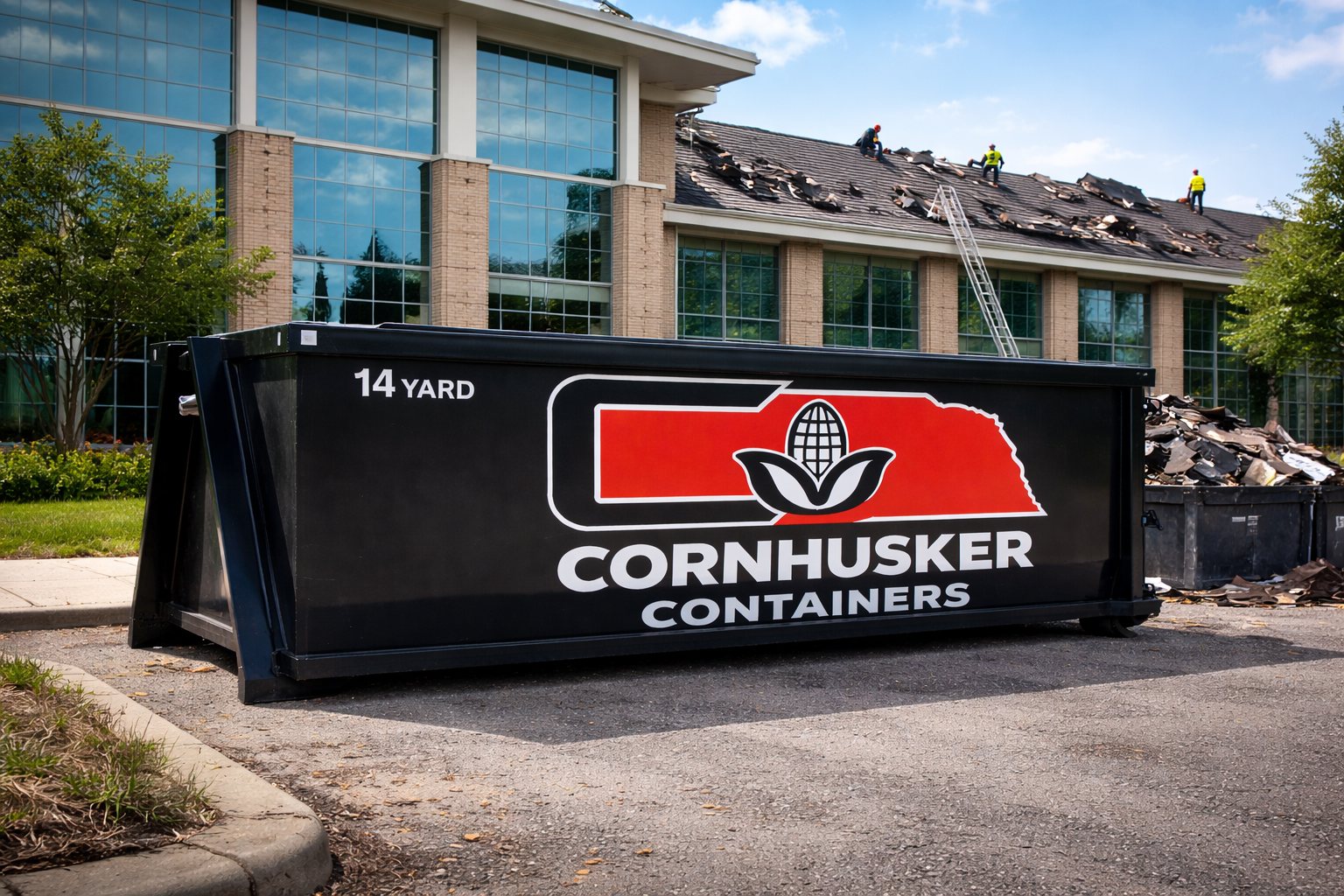
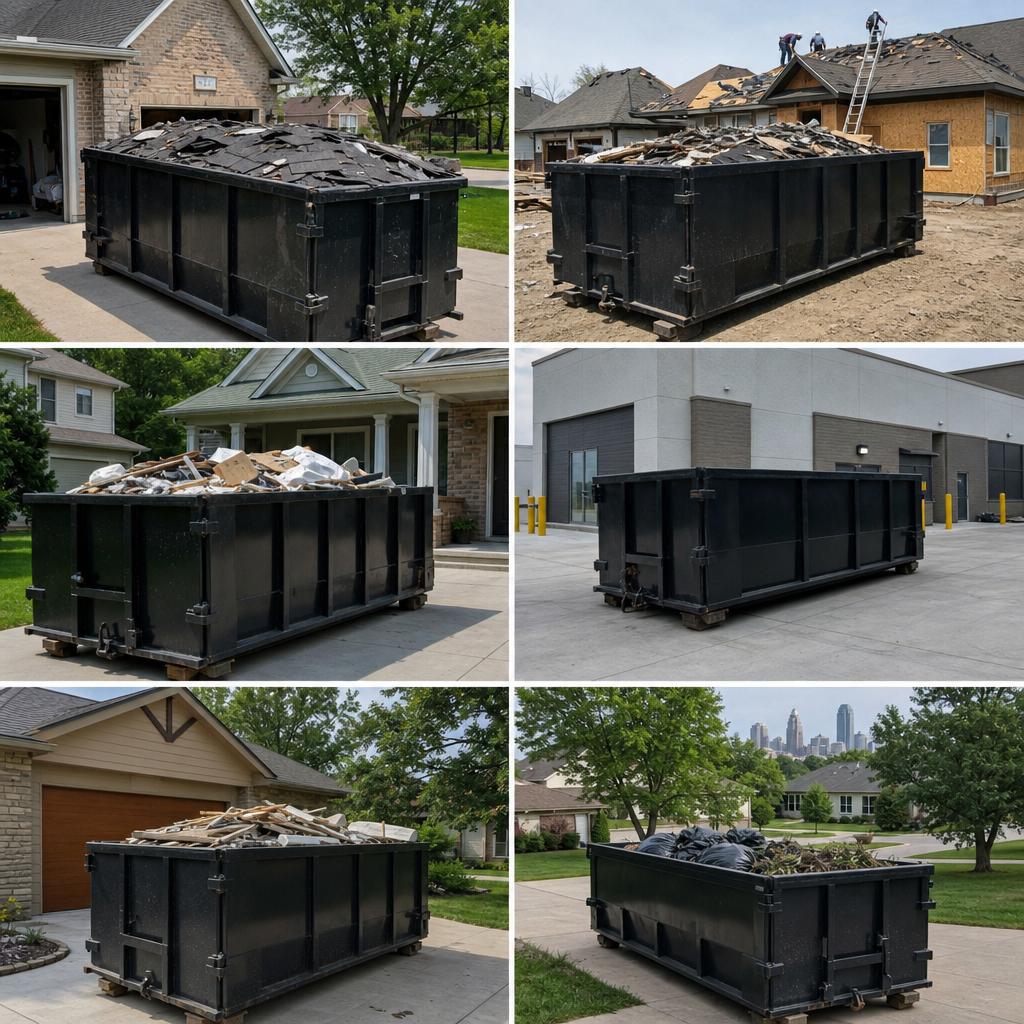
| Point | Details |
|---|---|
| Best overall roofing size | A 20-yard dumpster is usually the best fit for most residential roof tear-offs in Omaha. |
| Small roof jobs | 10-yard dumpsters work well for sheds, garages, small ranch homes, and partial shingle removal. |
| Weight matters | Shingles are heavy. Dumpster size is not just about volume; it is also about weight limits. |
| Good for roofers | A roof tear off dumpster keeps crews moving, cuts cleanup time, and helps keep nails and debris contained. |
| Local scheduling | Same-day delivery may be available in Omaha, Gretna, Papillion, Bellevue, Elkhorn, Bennington, La Vista, Council Bluffs, and nearby areas. |
Table of Contents
- Roofing Dumpster Rental Basics for Omaha Projects
- Best Dumpster Size for Shingles and Roof Tear-Offs
- How to Estimate Roofing Debris by Roof Size
- Placement, Weight Limits, and Jobsite Safety
- Roofing Waste Disposal Rules and Local Planning
- When to Call for a Roofing Dumpster Recommendation
- Frequently Asked Questions
- Recommended Reading
Roofing Dumpster Rental Basics for Omaha Projects
If you are planning a roofing dumpster rental in Omaha, the main thing to figure out is simple: how much shingle weight and roofing debris are coming off the roof. Most roofing jobs create dense, heavy waste, including asphalt shingles, felt paper, underlayment, drip edge, flashing, vents, nails, and sometimes rotted decking.
A roofing debris dumpster rental keeps that mess in one place instead of scattered across the driveway, yard, trailer, or jobsite. For roofers, it saves labor. For homeowners, it keeps cleanup simpler and helps protect the property from piles of loose shingles and nails.
In Omaha and the surrounding Nebraska communities, most residential roof tear-offs land in the 10-yard to 20-yard dumpster range. Larger homes, steep roofs, multiple layers of shingles, or projects with decking removal may need a 30-yard container or a swap-out plan.
Local rule of thumb: For a standard asphalt shingle roof, plan your dumpster around weight first and volume second. A half-full dumpster of shingles can weigh more than a full dumpster of light remodeling debris.
Asphalt shingles are the most common roofing material on homes in this area. According to Wikipedia’s overview of asphalt shingles, they are made with asphalt-saturated base materials and granules, which is why they are heavier than many homeowners expect once torn off and stacked together.
If you are comparing dumpster rental for shingles with general construction dumpster rental, remember that roofing is its own category. A bathroom remodel may fill a dumpster with mixed debris, but shingles pack tight and hit weight limits fast. That is why it pays to ask for a roofing-specific recommendation instead of guessing by container height alone.
For more general sizing help, you can also review Best Dumpster Sizes For Construction Debris In Omaha before booking.
Best Dumpster Size for Shingles and Roof Tear-Offs
The best dumpster size for roofing depends on three things: roof square footage, number of shingle layers, and whether you are removing decking or other heavy materials. Most roofers talk in “squares.” One roofing square equals 100 square feet of roof surface.
For many Omaha homes, a 20-yard roof tear off dumpster is the sweet spot. It gives enough room for shingles, underlayment, flashing, vents, and packaging waste without taking over the whole driveway. A 10-yard dumpster can be a better call for smaller jobs because it is easier to place and helps avoid overloading.
Here is a practical sizing guide for roofing waste disposal. Final size can change based on material weight, roof pitch, layers, and local disposal limits, but this gets most projects pointed in the right direction.
| Dumpster Size | Best For | Typical Roofing Scope | Notes |
|---|---|---|---|
| 10-yard dumpster | Small roofing jobs | Garage, shed, porch, small ranch, partial tear-off | Good when shingle weight is high but volume is limited. |
| 15-yard dumpster | Small to mid-size homes | Moderate roof area, one shingle layer | A solid middle option when available and space is tight. |
| 20-yard dumpster | Most residential roof tear-offs | Average Omaha home, one layer of asphalt shingles | Often the best balance of capacity, driveway fit, and cost. |
| 30-yard dumpster | Large roofs or bulky debris | Large homes, multi-building jobs, mixed construction debris | May not be the best choice for heavy shingles if weight limits are the main issue. |
| Multiple hauls or swap-outs | Big tear-offs | Multiple layers, steep roof, commercial roofing, major decking removal | Often safer and cleaner than overloading one container. |
Pro Tip: If you are tearing off two or more layers of shingles, do not just size up by volume. Ask about weight limits. Two layers on a 20-square roof can create the same disposal challenge as a much larger single-layer job.
A 30-yard dumpster sounds tempting because it is bigger, but bigger is not always better for shingles. Heavy roofing debris can reach the legal or safe haul weight before the container is full. In many cases, a 20-yard dumpster or two smaller hauls is the smarter plan.
If you are a contractor trying to keep crews moving, Cornhusker Containers can help match the dumpster to the roof size, driveway layout, and tear-off schedule. You can also see Dumpster Rental Omaha Guide if your roofing job includes framing, siding, gutters, or remodeling debris.
How to Estimate Roofing Debris by Roof Size
To estimate roofing debris, start with the number of roofing squares. If you know the roof is 2,000 square feet, that is about 20 squares. If there are two layers, treat it closer to 40 squares of shingle waste from a disposal standpoint.
As a rough planning range, one square of asphalt shingles may weigh a few hundred pounds depending on shingle type, age, moisture, and layers. Architectural shingles are usually heavier than basic 3-tab shingles. Wet shingles, ice shield, and stuck underlayment add even more weight.
The U.S. Environmental Protection Agency classifies construction and demolition debris as a major waste stream, and roofing materials are a common part of that category. Planning the dumpster correctly helps reduce extra trips, overloaded containers, and messy jobsites.
Quick Roofing Dumpster Estimating Checklist
- Measure roof size: Estimate total roof surface area, not just home footprint.
- Count shingle layers: One layer is straightforward; two or three layers change the dumpster plan fast.
- Check shingle type: Architectural shingles are heavier than standard 3-tab shingles.
- Look for decking damage: Rotted plywood or OSB adds weight and bulk.
- Include accessories: Felt, synthetic underlayment, drip edge, vents, flashing, ridge cap, and nails all add up.
- Plan for access: A well-placed dumpster can save hours of carrying debris.
For homeowners, the easiest path is to give the dumpster company the roof size, number of layers, and whether a contractor is doing a full tear-off. For roofers, it helps to know whether the container needs to sit in a driveway, alley, curb lane, or commercial lot.
If you are unsure how roof size translates to container size, ask for help before delivery. A short phone call can prevent an overloaded dumpster, a second rental you did not plan for, or a container that is too large for the property. For broader project planning, see how to choose the right dumpster size.
Placement, Weight Limits, and Jobsite Safety
Good dumpster placement can make or break a roofing job. The best spot is usually a flat driveway area close enough for crews to toss or carry debris safely, but not so close that it blocks ladders, materials, garage access, or the homeowner’s vehicles.
For roofers, a driveway-friendly dumpster saves steps and cleanup time. For homeowners, it helps contain nails and sharp debris in one area. If driveway protection matters, ask about placement options before delivery and clear the area of vehicles, basketball hoops, low branches, and other obstacles.
Weight is the biggest issue with roofing debris. Shingles are dense, and roll-off containers must be hauled safely on public roads. Overfilled or overweight dumpsters can create delays, extra charges, or require offloading before pickup.
| Jobsite Factor | Why It Matters | What to Do |
|---|---|---|
| Driveway slope | Containers need stable placement | Choose the flattest practical surface. |
| Overhead clearance | Delivery trucks need room to place the dumpster | Watch for wires, branches, garage overhangs, and basketball hoops. |
| Shingle weight | Heavy loads may max out before the dumpster is full | Do not fill above the marked line or load one side too heavily. |
| Nail cleanup | Roofing debris can damage tires and feet | Keep debris directed into the container and sweep or magnet the area. |
| Street placement | Some areas may require permission or permits | Check local rules before scheduling curbside placement. |
The Occupational Safety and Health Administration provides fall protection guidance for roofing and construction work. A dumpster does not replace jobsite safety practices, but smart placement helps reduce carrying distance, trip hazards, and scattered debris around the home.
Pro Tip: Ask for the dumpster to be delivered before the crew arrives, not after tear-off starts. Roofing debris piles up fast, and the cleanest jobs are the ones where shingles go straight from roof to container.
In tight neighborhoods around Omaha, Dundee, Benson, Papillion, Bellevue, or Council Bluffs, driveway space can be limited. Let the rental team know about narrow streets, steep drives, alleys, gates, or low trees. The more the driver knows up front, the smoother the drop-off usually goes.
Roofing Waste Disposal Rules and Local Planning
Roofing waste disposal is not just about tossing everything into a bin. Most roofing dumpsters can handle asphalt shingles, felt paper, underlayment, metal flashing, vents, drip edge, small amounts of wood decking, and general tear-off debris. But hazardous materials, liquids, chemicals, batteries, tires, and certain appliances do not belong in a roofing dumpster.
If your roof is older, be careful with unusual materials. Some older building products may require special handling. The EPA’s asbestos information is a good starting point if there is any concern about asbestos-containing materials in older roofing, siding, insulation, or construction products.
For most modern residential roofing jobs in Omaha, a standard roofing debris dumpster rental is straightforward. The key is to keep the load clean and avoid mixing prohibited items into the container. If you are not sure whether something can go in, ask before loading it.
- Usually accepted: Asphalt shingles, underlayment, nails, flashing, vents, drip edge, ridge cap, packaging, and limited wood decking.
- Ask first: Large amounts of decking, commercial roofing materials, tar, adhesives, insulation, or unusual older materials.
- Do not load without approval: Paint, solvents, fuel, oil, batteries, tires, chemicals, appliances with refrigerants, or hazardous waste.
Local rules can vary by city, neighborhood, HOA, and placement location. If the dumpster sits fully on private property, the process is usually simpler. If it needs to sit in the street or block public right-of-way, check whether approval is needed before delivery.
The U.S. Department of Transportation oversees transportation safety at the federal level, and dumpster haulers still have to move loaded containers safely on public roads. That is one reason fill lines and weight limits matter. A container that is too heavy or loaded above the rim may not be safe to haul.
For local cleanup planning beyond roofing, you may find what can and cannot go in a dumpster helpful before loading mixed materials.
When to Call for a Roofing Dumpster Recommendation
Call for a size recommendation when you know the roof size, shingle layers, and job address. That is usually enough to narrow the rental down to the right container size. If the job is urgent, ask about same-day delivery availability in Omaha and nearby communities.
Homeowners should call if they are coordinating with a roofer and want the dumpster ready before tear-off day. Contractors should call when they have multiple roofs scheduled, tight jobsite access, or a crew that needs fast swaps to stay productive.
Common situations where a quick recommendation helps include:
- One-layer asphalt shingle tear-off on an average Omaha home
- Two-layer or three-layer roof removal
- Roof replacement with rotted decking removal
- Garage, shed, or porch roofing projects
- Storm damage cleanup after hail or high winds
- Roofing plus gutters, siding, soffit, fascia, or remodeling debris
Cornhusker Containers serves Omaha, Gretna, Papillion, Bellevue, Elkhorn, Bennington, La Vista, Council Bluffs, and surrounding communities. The goal is simple: get the right dumpster there on time, keep pricing straightforward, and help you avoid delays on tear-off day.
If you are comparing a roofing dumpster rental with a general cleanup dumpster, ask directly about shingles. Roofing debris is heavier than normal household junk, and a straight answer up front can save money and headaches later. You can also review Dumpster Rental Omaha Guide if your project includes more than roofing debris.
Frequently Asked Questions
What size dumpster do I need for a roof tear-off in Omaha?
Most average residential roof tear-offs need a 20-yard dumpster, especially for one layer of asphalt shingles. Smaller roofs, garages, and partial tear-offs may only need a 10-yard dumpster.
Ready when you are
Keep your project moving.
Get the right dumpster, delivered when you need it.